
iPhone 18 Pro: On-Device AI Visual Creation Comes of Age
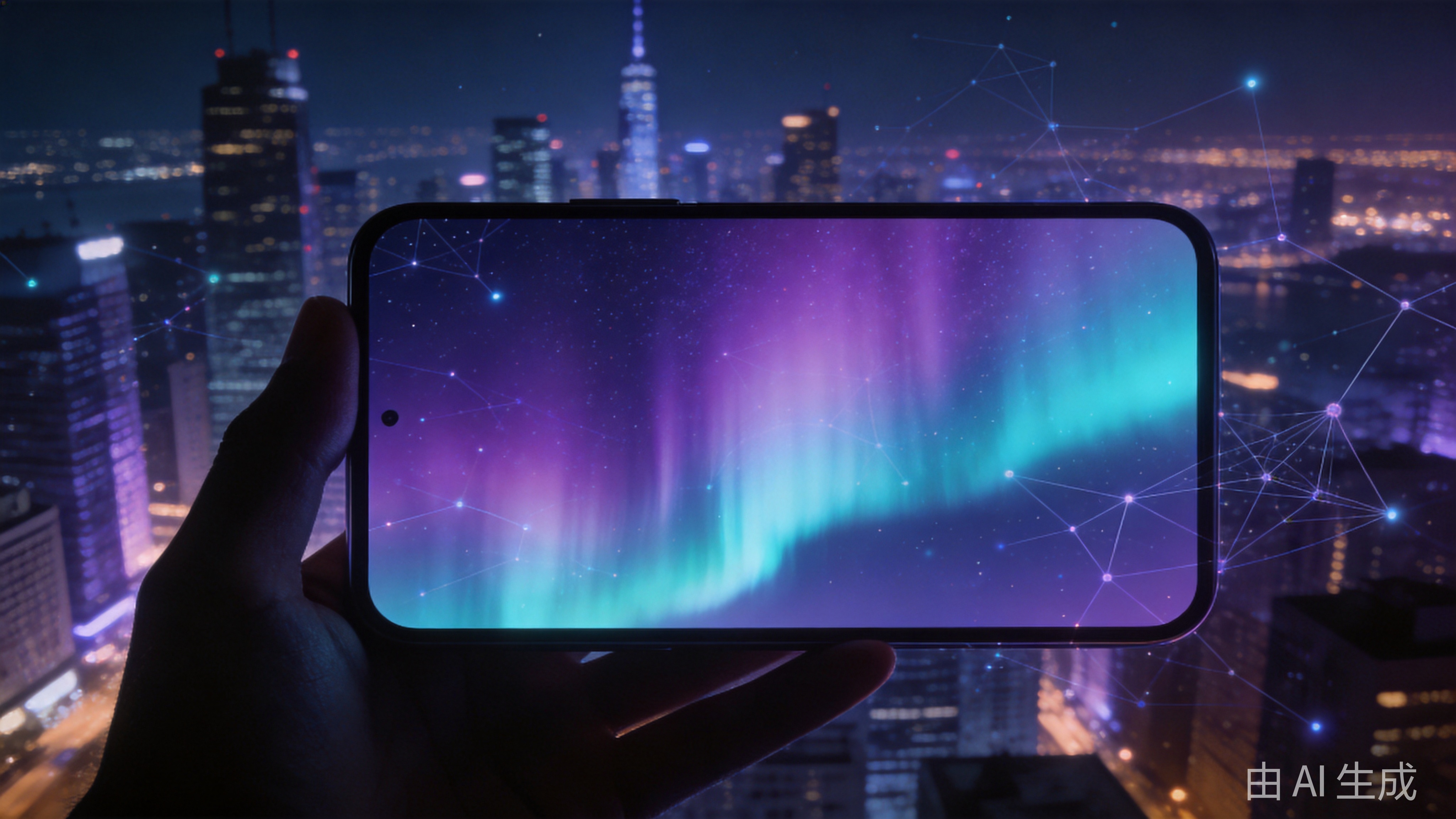
Apple's 2026 fall lineup — iPhone 18 Pro and the first foldable iPhone Duo — pairs a 2nm A20 Pro with dual 16-core neural engines. What the on-device AI stack means for visual creators.
A Different Kind of Apple Launch
Apple's 2026 fall event, reported on September 9-10, delivered two headline devices: the iPhone 18 Pro lineup and the first foldable, the iPhone Duo. But the strategic story, as Chinese financial and tech coverage noted, was not hardware iteration — it was the arrival of on-device AI as the core of Apple's ecosystem, with the new 2-nanometer A20 Pro chip as its foundation.
The Silicon Behind the Claims
The reported specifications matter for anyone doing visual work on a phone. The A20 Pro is built on a 2nm process with a 6-core CPU and 7-core GPU, and Apple claims up to 40 percent better whole-device performance over the previous generation. For AI specifically, the company says the new dual 16-core neural engine, combined with 50 percent more memory bandwidth, doubles the efficiency of running large models locally. A larger vapor chamber addresses the thermal throttling that high-load AI workloads previously caused — the practical difference between a one-shot demo and sustained editing sessions.
On-Device AI as the Default Mode
The positioning shift is that AI features no longer depend on the cloud. According to launch coverage, the new Siri, image-and-text creation, text editing, intelligent photo retouching, and multi-turn conversation all run fully offline on the device — no user data leaves the phone. Apple Intelligence is adapted across the lineup. For creators this is a privacy and reliability pitch: no network latency in the editing loop, no upload of raw material, and consistent behavior regardless of signal.
The Camera Hardware
The iPhone 18 Pro reportedly carries the company's first variable-aperture 48-megapixel main camera, filling a long-standing gap, with improved low-light texture and tonal layering. Combined with on-device retouching, the capture-to-finish pipeline can stay entirely on one device — shoot, generate, edit, export — which is precisely the workflow mobile visual creators have been assembling manually from separate apps.
iPhone Duo: The Second Screen Question
The foldable iPhone Duo uses a book-style inward fold: a 5.4-inch outer screen when closed, a 7.6-inch display when open, an aerospace titanium body, second-generation Ceramic Shield, and a self-developed nano-scale hinge structure that Apple says weakens the crease problem that has hurt foldable durability. For AI-assisted creation, the 7.6-inch canvas is the interesting variable — split-screen editing with AI tools alongside the canvas, at a size previous iPhones never offered. Apple entering foldables also reshapes the premium segment that Android vendors have owned for years.
What It Means for Visual AI Work
The competitive logic of high-end phones has flipped from camera-megapixel arms races to on-device compute, local intelligence, and privacy — a framing Apple is explicitly pushing against cloud-dependent rivals. For creators evaluating the platform: the appeal is a closed, self-consistent pipeline (chip, OS, model, ecosystem) where AI editing happens locally; the open question, as with every launch claim, is real-world performance under sustained load, which independent reviews will settle in the coming weeks. What is not in question is the direction: serious generative and retouching work is migrating onto the phone itself, and the hardware is now designed around that fact first.