
The 2026 AI Video Toolkit: Platforms, Outputs, Production Workflows
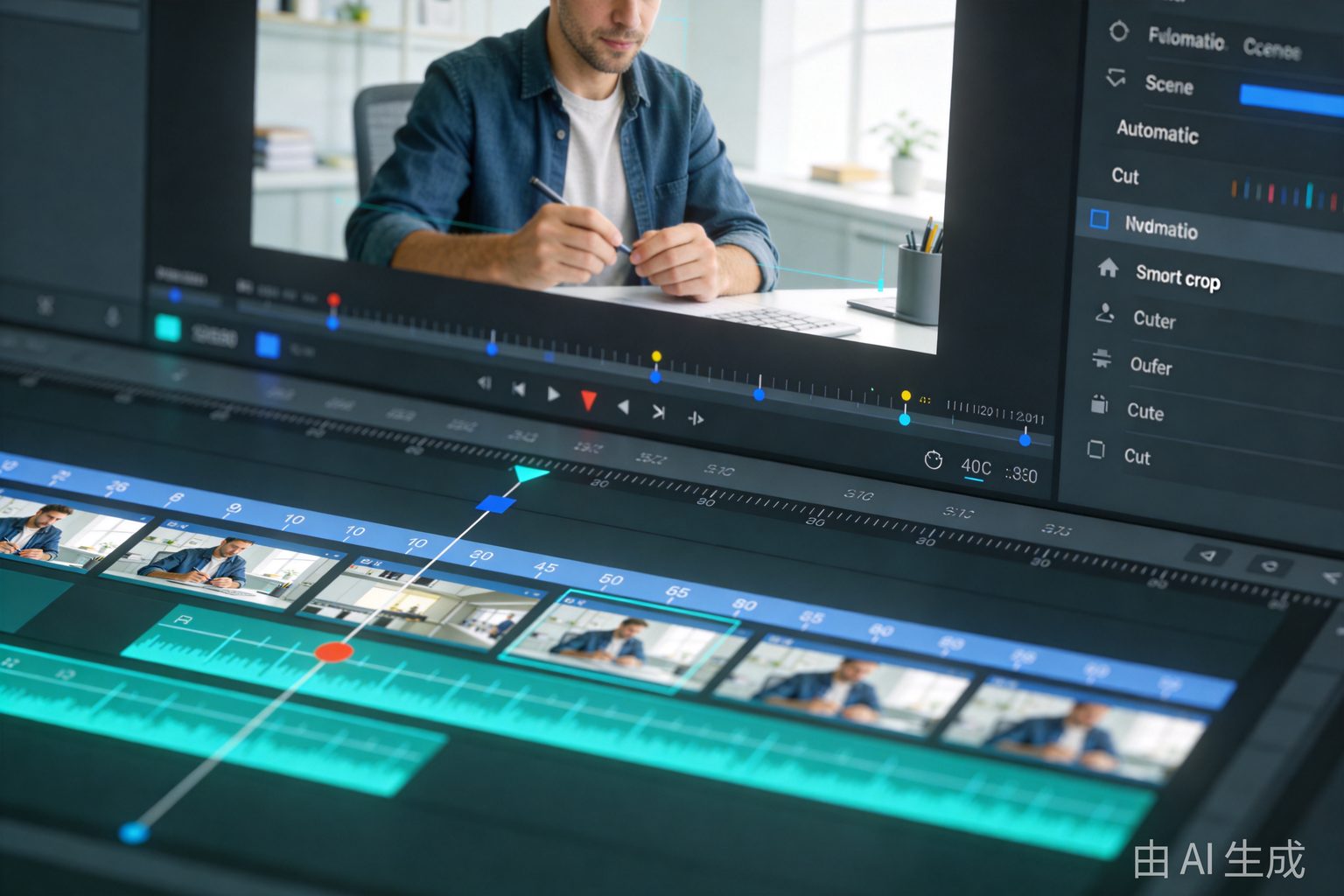
An overview of the AI video generation ecosystem in 2026, covering tools, quality benchmarks, and integration into creative workflows.
The Maturation of AI Video
AI video generation has transitioned from experimental curiosity to production-ready tool by September 2026. The technology now supports end-to-end creative workflows—from script generation and storyboarding to final rendering—with quality levels that approach professional standards for certain applications. Understanding the current toolkit landscape is essential for creators, studios, and businesses considering AI video for their content pipelines.
The ecosystem has also seen significant corporate investment. Nvidia's acquisition of Hugging Face for 12.93 billion dollars in September 2026 signals the consolidation of AI infrastructure around major platform players. This consolidation affects the video generation space indirectly by shaping the underlying model ecosystems and compute availability that power these tools.
Platform Landscape Overview
The 2026 AI video generation market includes several distinct platform categories. General-purpose generators like Sora, Runway Gen-3 Alpha, and Kling AI offer broad text-to-video capabilities suitable for diverse content types. Specialized tools focus on specific domains—character animation, product visualization, or architectural walkthroughs. Integrated suites combine generation with editing, effects, and post-production tools in unified interfaces.
According to industry analysis from September 2026, the general-purpose category remains the most competitive, with new entrants and updated models arriving at a rapid pace. The specialized category is growing as creators discover domain-specific needs that general tools cannot address. The integrated suite category is dominated by established video software companies adding AI features to existing products.
Quality Benchmarks and Evaluation
Evaluating AI video quality requires looking beyond single metrics. Temporal coherence—the consistency of objects, characters, and environments across frames—is fundamental. A video where a character's appearance changes between shots or where physics behaves inconsistently fails regardless of individual frame quality. The leading platforms have made significant progress here, with coherence windows extending from seconds to tens of seconds.
Prompt adherence measures how accurately the generated video matches the text description. This includes object presence, action description, camera movement, and stylistic elements. Models that excel at prompt adherence reduce the iteration cycle between concept and acceptable output.
Aesthetic quality encompasses lighting, composition, color grading, and overall visual appeal. This dimension is inherently subjective but can be assessed through comparative evaluation and community feedback. Midjourney's influence on image generation aesthetics has parallels in video, with certain platforms developing recognizable visual styles.
Production Workflow Integration
For professional use, AI video tools must integrate into existing production workflows. This means supporting standard file formats, resolution requirements, and color spaces. It also means offering API access for automation and batch processing—capabilities that become essential at production scale.
The workflow typically begins with script generation, where AI assists in structuring narratives and generating dialogue. Storyboard creation follows, with AI tools producing visual references for each scene. The generation phase produces raw footage, which then enters a traditional editing and post-production pipeline. AI-assisted editing tools handle tasks like color matching, audio cleanup, and subtitle generation.
Runway's position in this workflow is notable for its emphasis on post-production integration. The platform's editing tools, effects, and export options are designed for creators who need to combine AI-generated footage with traditionally produced content. This hybrid approach is increasingly common in professional production.
Cost and Accessibility Considerations
Pricing models vary significantly across platforms. Credit-based systems charge per generation, with costs scaling by resolution, duration, and computational complexity. Subscription models offer unlimited or high-volume generation for a fixed monthly fee. Enterprise pricing provides custom agreements for organizations with specific security, support, and volume requirements.
For independent creators and small studios, the cost of producing minutes of AI video can be substantial. A typical 30-second clip at 1080p resolution may require multiple generation attempts to achieve acceptable quality, with each attempt consuming credits. Budgeting for iteration is essential when planning AI video projects.
Hardware access also affects cost. Cloud-based generation is the default, but local inference options are emerging. Nvidia's RTX Spark, introduced at IFA 2026, offers compact local AI processing that could reduce per-generation costs for individual creators willing to invest in hardware.
Future Trajectory
The pace of improvement in AI video generation suggests that current limitations—length constraints, coherence over extended sequences, and precise control—will continue to ease. The competitive pressure between OpenAI, Runway, Kling, and emerging players drives rapid iteration.
Regulatory considerations may also shape the landscape. As AI-generated video becomes indistinguishable from traditional footage, questions about disclosure requirements, copyright, and authenticity will demand attention. Platforms that proactively address these concerns may gain advantages in enterprise and institutional markets.
For creators, the immediate opportunity is in using AI video for pre-visualization, concept development, and content types where traditional production is prohibitively expensive. As quality improves, the range of viable applications will expand accordingly.
Sources: CSDN 2026 September Tech Roundup | Kling AI Official Update Notice